

Blog
Understanding Incontinence in Men: Causes, Treatment, and Management

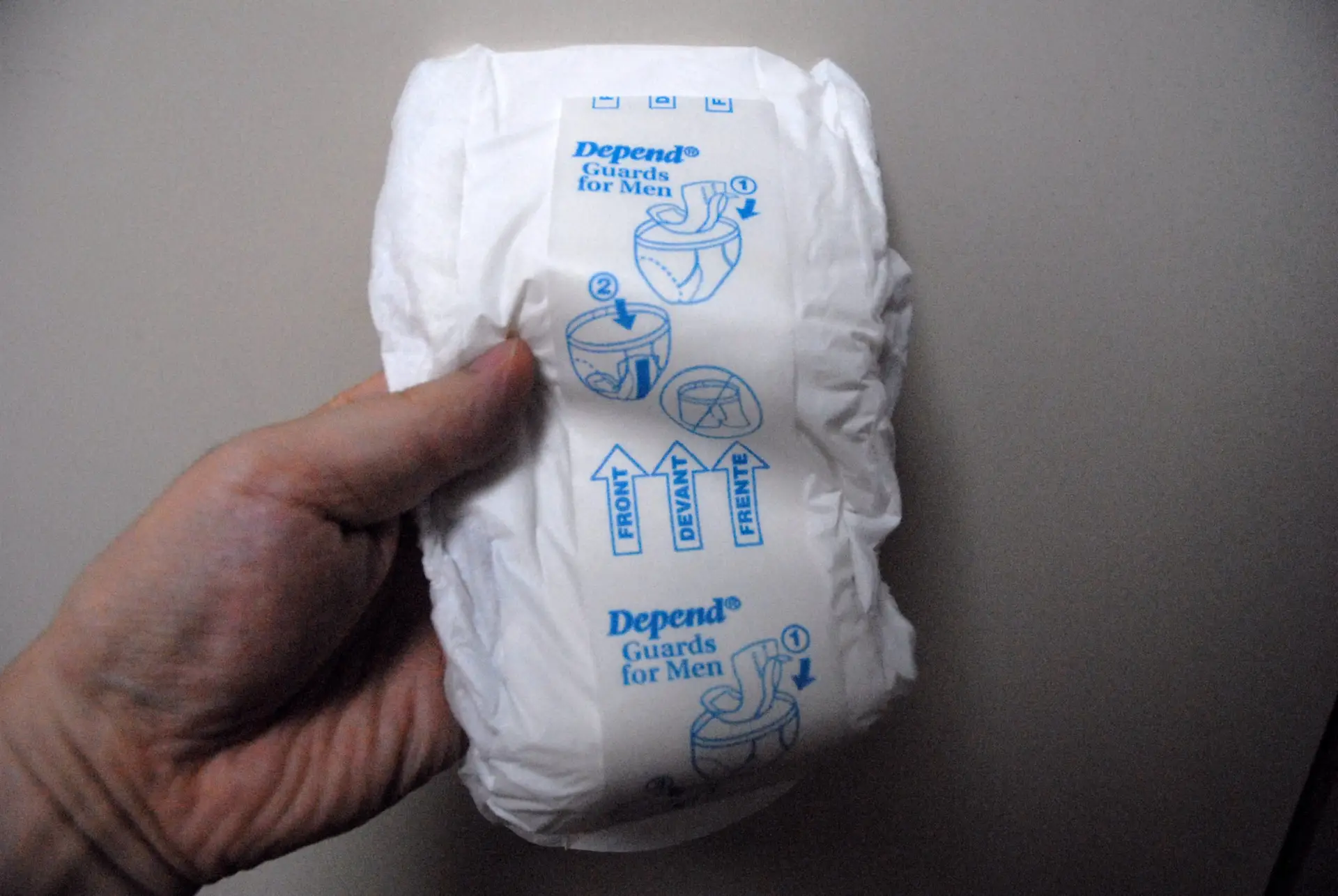
Incontinence, the involuntary loss of bladder control, is a condition that affects many men, yet remains a topic shrouded in stigma and silence. However, it’s essential to address this issue openly as it can significantly impact one’s quality of life. This article delves into the causes, treatment options, and management strategies for male incontinence.
What is Male Incontinence?
Incontinence in men can vary from occasional minor leaks to a complete loss of bladder control. It is often categorized into several types:
- Stress Incontinence: Leakage occurs during physical activities that put pressure on the bladder, such as coughing, sneezing, or lifting heavy objects.
- Urge Incontinence: A sudden, intense urge to urinate followed by involuntary loss of urine.
- Overflow Incontinence: Inability to empty the bladder completely, leading to dribbling of urine.
- Functional Incontinence: Physical or mental impairment prevents timely access to a toilet.
- Mixed Incontinence: A combination of stress and urge incontinence.
Common Causes of Male Incontinence
Several factors can contribute to incontinence in men, including:
- Prostate Issues: Enlarged prostate or prostate surgery can affect bladder control.
- Neurological Disorders: Conditions like Parkinson’s disease, multiple sclerosis, and stroke can interfere with nerve signals to the bladder.
- Diabetes: Poorly controlled diabetes can cause nerve damage, affecting bladder function.
- Medications: Diuretics and certain medications for high blood pressure and heart conditions can increase urine production and affect bladder control.
- Obesity: Excess weight can put additional pressure on the bladder.
Treatment Options
The treatment for male incontinence depends on the underlying cause and severity of the condition. Common treatment options include:
- Behavioral Therapies:
- Bladder Training: Increasing the intervals between urinating to improve bladder capacity.
- Pelvic Floor Exercises (Kegels): Strengthening the muscles that control urination.
- Fluid and Diet Management: Reducing intake of caffeine, alcohol, and other bladder irritants.
- Medications:
- Anticholinergics: Reduce bladder contractions.
- Alpha-blockers: Relax bladder neck muscles and prostate muscles in men with an enlarged prostate.
- Mirabegron: Relaxes the bladder muscle and can increase the amount of urine the bladder can hold.
- Medical Devices:
- Urethral Inserts: Disposable devices inserted into the urethra to prevent leakage.
- Pessaries: A device placed in the vagina to support the bladder (used in some cases of male incontinence).
- Surgery:
- Sling Procedures: A mesh sling is used to support the urethra.
- Artificial Urinary Sphincter: An implanted device that controls the flow of urine.
- Prostate Surgery: For men with an enlarged prostate that is causing incontinence.
- Absorbent Products:
- Pads and protective garments are available to manage the symptoms of incontinence discreetly.
Managing Incontinence
Living with incontinence can be challenging, but several strategies can help manage the condition effectively:
- Stay Active: Regular exercise can strengthen the pelvic floor muscles and improve bladder control.
- Healthy Diet: Maintaining a balanced diet and a healthy weight can reduce the pressure on your bladder.
- Scheduled Bathroom Visits: Establishing a regular urination schedule can help prevent accidents.
- Stay Hydrated: Drinking enough water is crucial, but it’s important to manage fluid intake to avoid excessive bladder pressure.
- Seek Support: Joining a support group or talking to a healthcare professional can provide emotional support and practical advice.
Conclusion
Incontinence in men is a common condition that can significantly impact daily life, but it is manageable with the right approach. Understanding the causes and exploring the available treatment options is the first step toward regaining control and improving your quality of life. If you or someone you know is experiencing symptoms of incontinence, don’t hesitate to seek professional medical advice.
Living with incontinence doesn’t have to be a silent struggle. With appropriate treatment and management strategies, men can lead active, fulfilling lives.